From Fraunhofer Institute to Medical Robotics Engineer
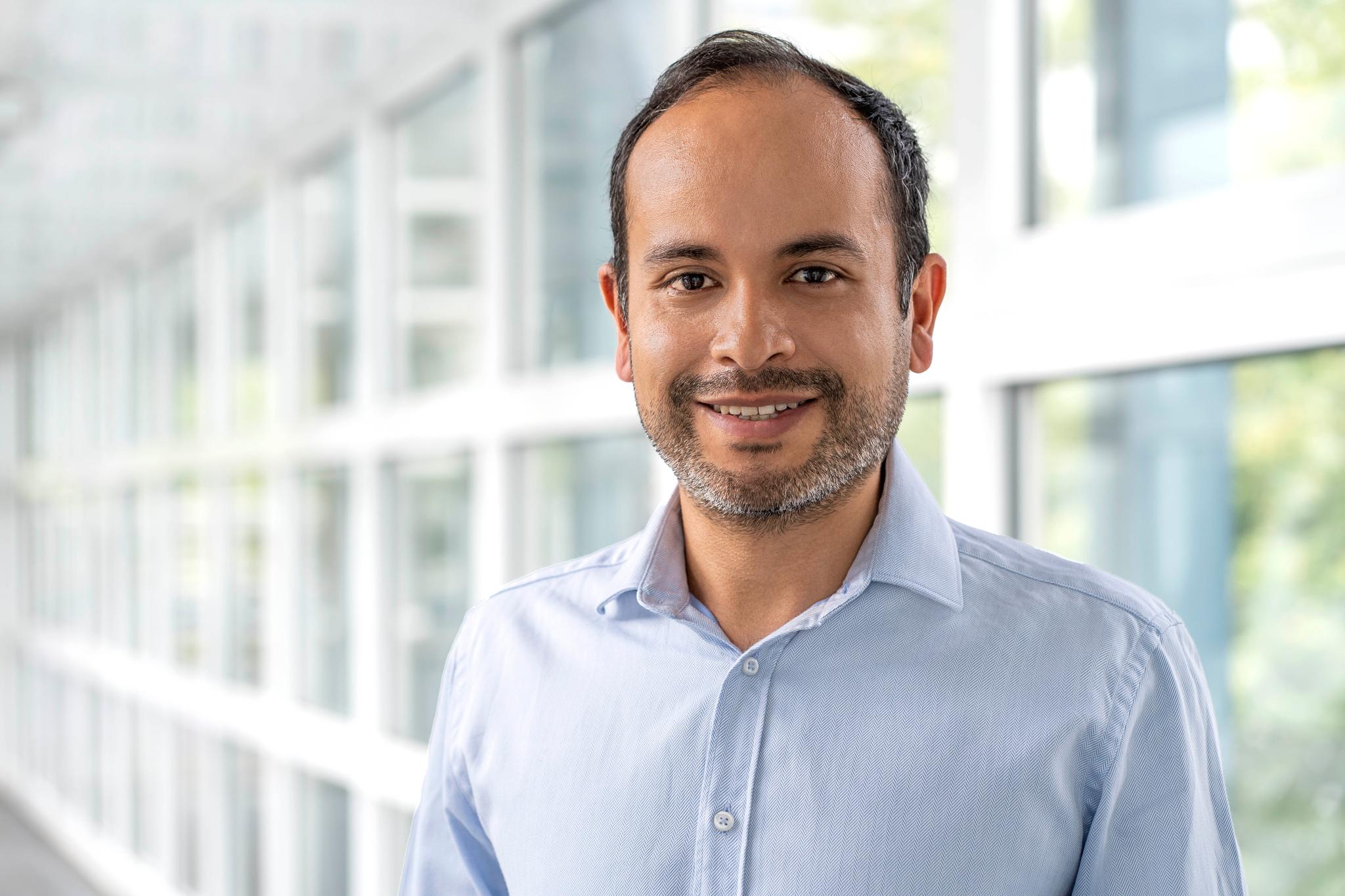
Table of contents
Arturo Bastidas Cruz, originally from Mexico, has been living in Germany since 2010. After building an impressive career as robotics researcher and engineer, he decided it was time for a change. To help him transition from the academic world to the private sector, he decided to start an intense Data Science & AI training program at neuefische - a decision that helped him land a new role as a medical robotics engineer right after graduation. Read Artoro’s story below.
Please tell us a little bit about yourself - who are you, and what is your professional background?
I'm Aruro, a robotics and automation engineer originally from Mexico. I came to Germany in 2010 to complete my master's degree, and I have been working for more than 10 years as a researcherat the Fraunhofer Institute. Recently, I decided to do the transition from academia to industry.
What made you decide on making that transition? And did you feel like your skills were a match for the private sector, or did you feel like you had to go through some kind of process in order to make that transition?
So I was not happy anymore in the academic field, because of several reasons. I also felt that it was time for a change, and making this transition into industry was for me the way to do this. To some extent I had the feeling that working in academia is all is nice, but at the same time it was like a strong focus on one topic. And this was for me, when I looked for job opportunities on the market, I realized that I was missing some practical IT skills; IT and and software skills especially in the topics of data science and AI. My technical foundation was strong but I wanted more hands-on industry oriented experience, and one way to to get this was by doing an intensive training program.
And that was the Data Science & AI program at neuefische, correct?
Right. Yes.
What made you decide to join this program instead of studying on your own? You obviously are good at studying. You have a rich uh research background. Why did you decide to go the full-time training route?
I think because, first, data science and AI are both really huge topics. So of course you can learn by yourself these topics, but I felt that having a structured program will help me to focus on the most relevant (points) instead of trying by myself, and figuring out alone what could be the best way to start. So the program provided a clear path with practical projects and the right technical environment to study (and dive) deep on these two topics. And, of course, the certificate was also an important factor for my CV. So I will say those are the main reasons why I decided to do this program.
When you were doing your research and trying to figure out which training provider to go with, what were your main criteria and what made you choose neuefische?
Well, the first criteria I would say was the content, the curriculum of the program. Because I compared it with the type of jobs I would like to apply for in the future. So for me it was really important that some of the topics were already included in the curriculum. The second was the duration of the program, the starting date and the flexibility of course, that you also have this remote learning option, because I had a plan (for) when to work on these topics and then when to apply for a job. So that was important for me. And the third one was of course the reputation of the program and the type of certification you get at the end. So I will say these three criteria were the ones I followed when selecting the program.
And what was your experience overall at? How did you like the program?
I found it really good. It was a really intense experience, but very rewarding. I learned a lot in a really short time, and I really appreciated the supportive atmosphere among the instructors and the participants. Everyone was highly motivated and um that created a very positive learning environment, I would say.
Let's say you have a friend who is still in academia, they're thinking of making the switch, but they're worried. What would be one piece of advice you would tell them?
Well, I would say: if you feel like academia is more like a comfort zone for you - because maybe I was in this comfort zone too - sometimes getting out of this comfort zone is then the opportunity to grow up. So I will just motivate them to make this jump from academia to industry. That may feel challenging but there are ways to prepare yourself for that. And if you want to do this jump to the industry, these kinds of intensive training are like a way to prepare yourself for this transition.
I know you already started a new role after completing the program. Could you tell us a little bit about how your training program has helped you in finding this role?
Sure. So the program helped me not only technically but also professionally. It gave me the practical tools and hands-on experience that I could immediately apply in my new job. What I also found really helpful was this career module, career development support, because after working as a researcher in an institute for more than 10 years, I didn't have my application documents up to date. And also to prepare myself for the job interviews: that was also really helpful. What I'm doing now is also about robotics, as many companies are also interested in applying AI to their processes. So those topics were in my Data Science & AI program, with aspects that I will apply also in this new job. Also the IT skills that I got in the program, because I will be working a lot on coding and these teamwork tools such as how to manage GitHub, how to work on a project. Those are aspects that I will be also using in my new job as a robotic engineer in the medical field.
Table of contents
The first step into your new future has been taken. We have sent you an email to arrange a conversation with you. Please check your email inbox or schedule an interview directly:


